

Key Takeaways
- Solo travel gives you complete schedule flexibility but removes the built-in safety net of a travel companion.
- Costs often run higher per person when you cannot split accommodation or transportation.
- Meeting people is easier than most first-timers expect, especially in hostel and group-tour settings.
- Safety risks vary significantly by destination, and solo travelers should research conditions before departure.
- The skills you build, from navigation to negotiation, transfer well beyond any single trip.
Total control over your itinerary
You change plans without negotiating with anyone. If a city grabs you, you stay longer; if it disappoints, you leave early.
Faster, deeper personal growth
Handling unexpected problems alone, missed connections, language barriers, wrong turns, builds practical confidence that group travel rarely forces.
Easier to connect with locals and other travelers
Solo travelers appear more approachable. People are far more likely to strike up a conversation with someone sitting alone than with a pair or a group.
You set the budget without compromise
There is no pressure to match a companion's spending level. You can splurge on one thing and cut back on another without friction.
Genuine time for reflection
Long stretches of unstructured time, on trains, in cafes, on hikes, give you space to think that is hard to find in daily life at home.
Higher per-person accommodation costs
Single supplements at hotels can add 20 to 50 percent to a room rate. Hostels offset this, but private rooms in hostels still cost more per person than a shared hotel room split two ways.
No backup when things go wrong
A lost passport, a health issue, or a stolen bag is manageable with a travel partner and genuinely stressful alone. Having solid travel insurance and digital copies of documents is not optional.
Loneliness is real, not just a risk
Extended solo trips almost always include stretches of loneliness, particularly in destinations where the language barrier limits casual conversation.
Safety calculus is different, especially at night
Solo travelers, particularly women, face higher risks in certain destinations and situations. This requires more deliberate planning around accommodation, transportation, and nighttime movement.
Decision fatigue accumulates
Every choice, where to eat, which route to take, whether to join a tour, falls entirely on you. Over a long trip, that mental load adds up in ways that surprise many first-time solo travelers.
Our Verdict
Solo travel suits people who want to set their own pace and are comfortable handling problems without backup. The freedom is genuine, but so are the costs, both financial and emotional. Going in with clear expectations about what you will gain and what you will manage alone makes the difference between a trip that energizes you and one that wears you down.
Travelers who are self-directed, comfortable with uncertainty, and willing to do the upfront research that keeps solo trips safe and smooth.
What solo travel actually involves
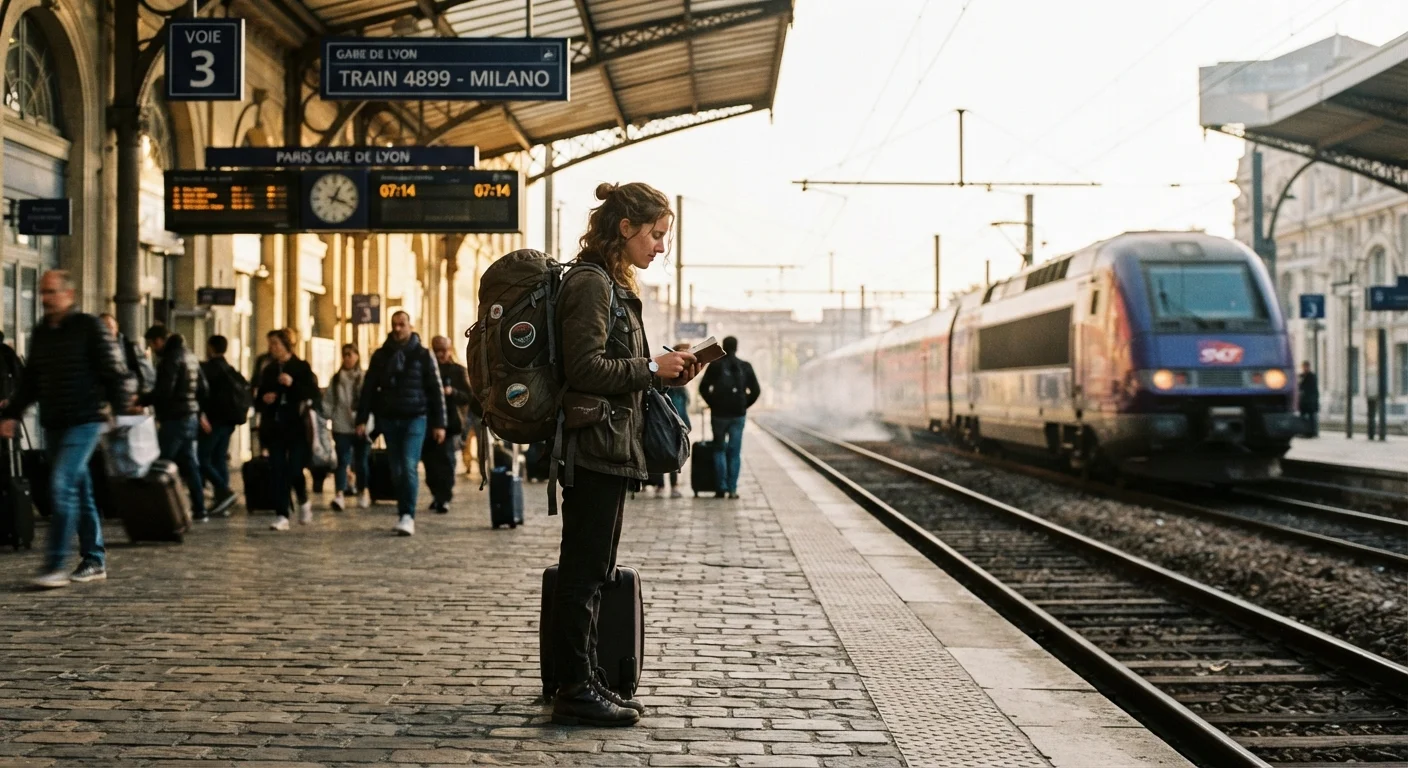
Solo travel means booking, navigating, and problem-solving without a built-in partner. That sounds straightforward until you are standing in an unfamiliar train station at midnight with a dead phone battery. The experience is genuinely different from group or paired travel, not just logistically but psychologically.
Before weighing the pros and cons, it helps to know what kind of solo trip you are planning. A week-long city break in a country with good infrastructure is a different proposition than a month-long overland route through several countries. The trade-offs between overland travel and flying become more consequential when you are managing every leg yourself.
The real advantages
The most tangible benefit is schedule control. When you travel with others, every decision involves consensus. Solo, you spend that time actually traveling. If a hike runs long or a conversation with a local turns into a dinner invitation, you follow it without checking with anyone.
Total control over your itinerary
You change plans without negotiating with anyone. If a city grabs you, you stay longer; if it disappoints, you leave early.
Faster, deeper personal growth
Handling unexpected problems alone, missed connections, language barriers, wrong turns, builds practical confidence that group travel rarely forces.
Easier to connect with locals and other travelers
Solo travelers appear more approachable. People are far more likely to strike up a conversation with someone sitting alone than with a pair or a group.
You set the budget without compromise
There is no pressure to match a companion's spending level. You can splurge on one thing and cut back on another without friction.
Genuine time for reflection
Long stretches of unstructured time, on trains, in cafes, on hikes, give you space to think that is hard to find in daily life at home.
One outcome that surprises many solo travelers is how social the experience becomes. The assumption that you will be alone most of the time rarely holds. Hostels, walking tours, and shared accommodation put you in contact with other travelers constantly. Understanding what different accommodation types demand helps you choose settings where social contact is easy to find if you want it.
The genuine trade-offs
Cost is the most concrete disadvantage. Accommodation is priced for two by default, and many hotels charge a single supplement that cancels out any savings from traveling alone. Careful planning, choosing hostels for some nights, traveling during shoulder season, and packing light enough to use public transit, helps control this, but the cost gap with paired travel is real.
Higher per-person accommodation costs
Single supplements at hotels can add 20 to 50 percent to a room rate. Hostels offset this, but private rooms in hostels still cost more per person than a shared hotel room split two ways.
No backup when things go wrong
A lost passport, a health issue, or a stolen bag is manageable with a travel partner and genuinely stressful alone. Having solid travel insurance and digital copies of documents is not optional.
Loneliness is real, not just a risk
Extended solo trips almost always include stretches of loneliness, particularly in destinations where the language barrier limits casual conversation.
Safety calculus is different, especially at night
Solo travelers, particularly women, face higher risks in certain destinations and situations. This requires more deliberate planning around accommodation, transportation, and nighttime movement.
Decision fatigue accumulates
Every choice, where to eat, which route to take, whether to join a tour, falls entirely on you. Over a long trip, that mental load adds up in ways that surprise many first-time solo travelers.
Check official sources before you go
Entry requirements, safety advisories, and local laws change. Before any solo trip, check your government's official travel advisory site (for U.S. travelers, travel.state.gov) and verify visa requirements directly with the destination country's embassy or consulate. Do not rely on travel forums or outdated blog posts for this information.
The emotional side deserves honest attention. Solo travel is not a cure for loneliness, and in some ways it concentrates it. Most long-term solo travelers describe a rhythm: periods of energizing independence followed by stretches of genuine isolation. Knowing that pattern exists means you can plan for it, building in calls home, choosing social accommodation, or adjusting your pace, rather than being blindsided by it mid-trip.
How to approach the decision
The question is not whether solo travel is good or bad. It is whether the trade-offs match where you are right now. Someone who finds group decision-making exhausting and wants to move fast will get a lot from going alone. Someone who draws energy from shared experiences and gets anxious without backup may find the costs outweigh the freedom.
A practical middle ground for first-timers: start with a short solo trip to a destination with reliable infrastructure, good English coverage, and a clear traveler network. That gives you a real read on how you handle the independence and the isolation before committing to something longer or more remote.
~70%
Solo travelers who are women
Solo Female Travelers, an online community, has tracked survey data showing women now make up a large majority of solo travelers worldwide.
20-50%
Typical single supplement on hotel rooms
Single supplements vary widely by property and region, but travelers commonly report this range when booking a room originally priced for two.
Whatever you decide, treat pre-trip research as part of the travel itself. Destination safety conditions, entry requirements, and local laws all need verification from official sources before departure.