

Wellness

Before You Start a New Health Habit: A Personal Readiness Checklist

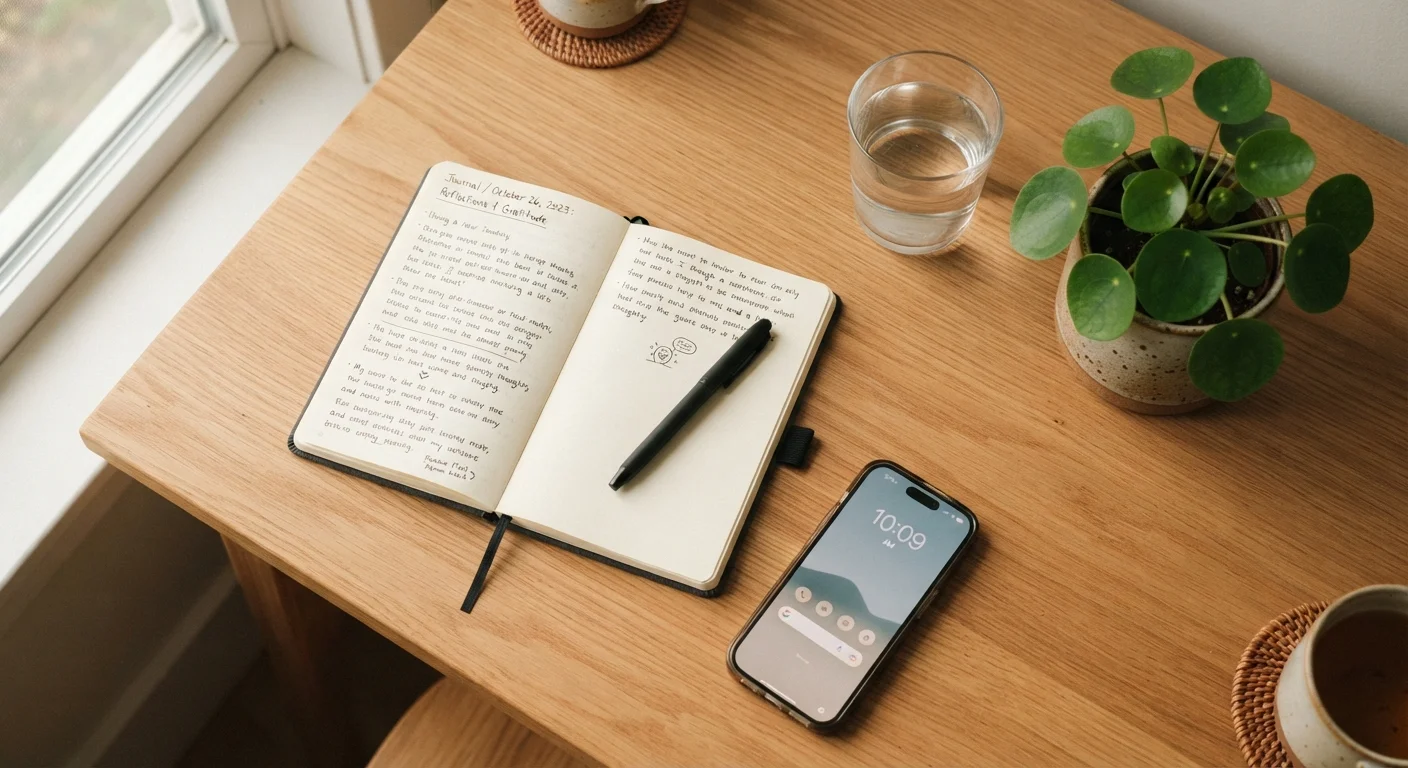
A journal and glass of water on a wooden desk in a calm, well-lit home setting
15–25 min

Summary

16 items · 15 to 25 minutes

Why readiness matters before you begin

Most people do not abandon health habits because they lack willpower. They abandon them because the conditions were not right when they started. The checklist below is designed to help you honestly assess your environment, schedule, and mindset before you commit, so that when you do start, you have a realistic chance of following through.

This is general health information, not medical advice. If you have a chronic condition, are pregnant, or take medication, speak with a qualified healthcare professional before starting any new health habit, whether it involves exercise, eating changes, or stress management practices.

Work through each group in order. If you find yourself answering "no" to several items in the same group, that group may need attention before you begin.

Your reason

Write down the specific reason you want this habit, in one sentence, without using the word "healthy" or "better". Must
Confirm that your reason is yours, not something a family member, employer, or social feed has assigned to you. Must
Identify what success looks like at 30 days, in observable terms you can actually measure or notice. Should

Your schedule

Identify the specific time of day you plan to do this habit and confirm that slot is genuinely available on most days. Must
Check your calendar for the next four weeks and flag any disruptions, travel, or events that will require a plan adjustment. Must
Decide in advance what you will do on a day when the usual slot disappears (a backup time or a scaled-down version). Should
Consider whether this habit competes with another habit you are already trying to build, and choose one to prioritize. Should

Your environment

Identify one physical change to your space that will make the habit easier to start (for example, leaving equipment visible or removing a competing distraction). Must
Check that the supplies or equipment you need are already in place, not dependent on a future purchase or errand. Must
Tell at least one person in your household what you are starting, so they can avoid scheduling conflicts during your habit window. Should
Remove or relocate one item in your environment that reliably pulls you toward the competing behavior. Nice to have

Your current load

Rate your current stress level honestly. If you are in a period of acute stress, consider whether this is the right two weeks to add a new demand. Must
Confirm you are getting enough sleep to have basic cognitive bandwidth for habit formation, which research consistently links to consolidating new behaviors. Should
Check whether you are already maintaining at least one health habit consistently. If not, solidify that one before adding another. Should

Health and safety check

If the habit involves physical exertion, consult a healthcare provider if you have a cardiovascular condition, joint injury, or have been sedentary for an extended period. Must
If the habit involves dietary changes, confirm it does not conflict with any medication you take or a condition managed by a clinician. Must
Review the fitness and movement hub for general guidance on building exercise habits safely before starting a new physical routine. Nice to have

After the checklist: what to do with your answers

If you checked most items, you are well-positioned to start. Pick a specific start date, tell someone whose opinion you respect, and schedule your first three repetitions in your calendar as concrete appointments.

If gaps showed up, treat them as setup tasks. A habit that waits two weeks for better conditions will outlast one launched today under friction. The guide to building a morning routine covers how to sequence multiple habits once your foundation is ready. For habits with a mindfulness component, starting a mindfulness practice on a packed schedule offers a realistic framework for fitting practice into a full day.

If your new habit involves nutrition, shopping with your nutritional goals in mind can help you align your environment with your intentions before you even get to the kitchen. And if the habit you are building connects to a financial goal, such as cooking at home more often or canceling a subscription you no longer use, the saving and goals hub has practical guidance on making those changes add up.

This checklist is not a substitute for professional advice

The questions above are general prompts for self-reflection, not a clinical assessment. If you have any medical condition, take prescription medication, are pregnant, or are caring for a child or elderly person, consult a qualified healthcare professional before making changes to your physical activity, diet, or stress management routine. A clinician can give you guidance specific to your circumstances.

Wellness Editorial Team is the collective byline for our editorial team and contributor network. Articles published under this byline or an editorial pen name are researched, written, and reviewed according to our editorial standards for clarity, consistency, and independence before publication.

View all articles by Wellness Editorial Team →
Disclaimer: The content on this site is for informational purposes only and is not a substitute for professional advice. Always consult a qualified professional for guidance specific to your situation.