

Key Takeaways
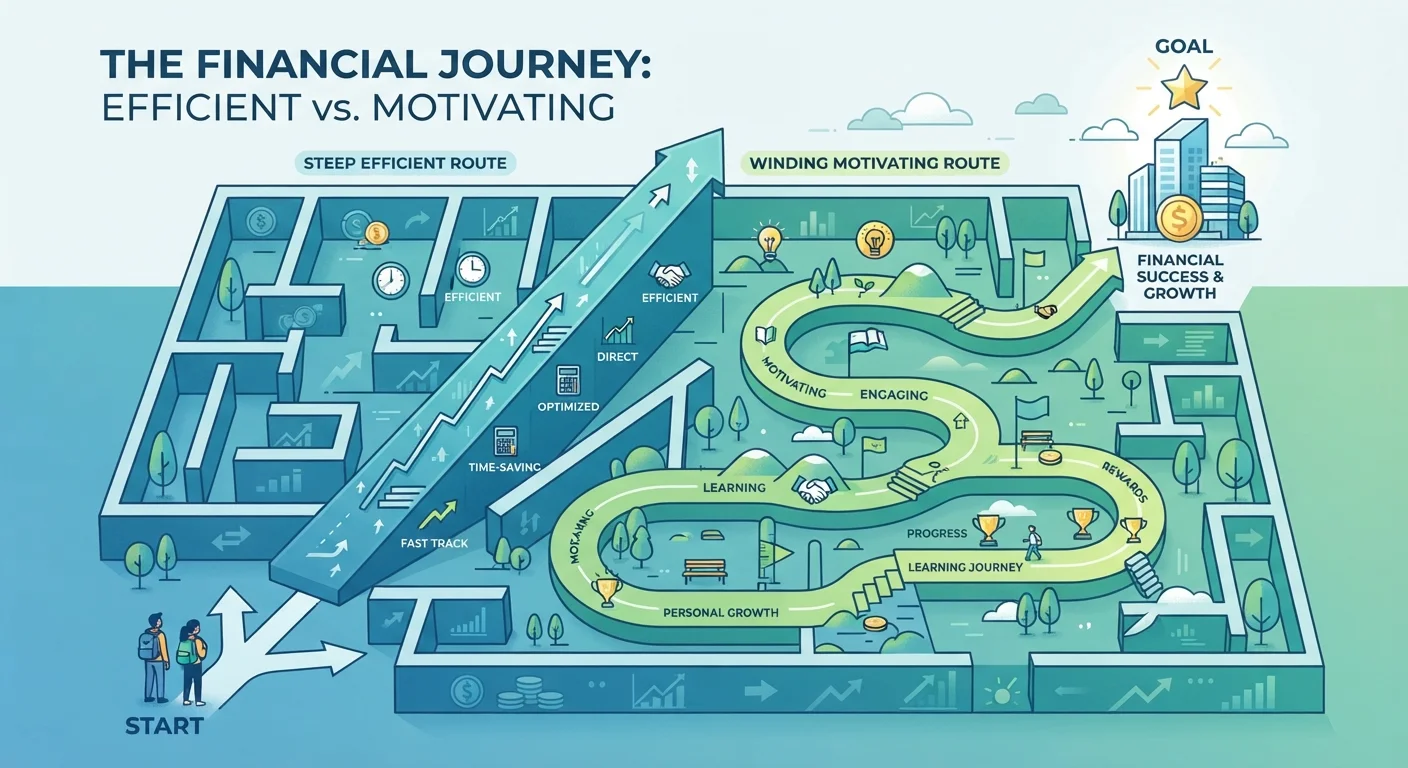
- The debt avalanche targets the highest-interest balance first, reducing total interest paid over time.
- The debt snowball pays off the smallest balance first, building motivation through faster early wins.
- Both methods require paying minimums on all debts while directing extra funds to one target account.
- The avalanche saves more money mathematically; the snowball can produce better results for people who struggle with consistency.
- Your choice depends on your interest rate spread, balance sizes, and how you respond to financial progress.
- A licensed financial adviser can help you assess which approach fits your full financial picture.
Option A
Debt avalanche
The mathematically efficient approach to eliminating debt.
Best for: People who want to minimize total interest paid and can stay motivated without early wins.
Option B
Debt snowball
The momentum-driven approach built on quick psychological wins.
Best for: People who need visible progress to stay on track with a repayment plan.
If you have high-interest debt and strong financial discipline
Debt avalanche
Directing extra payments to the highest-rate balance first cuts total interest cost. Over a multi-year repayment timeline, the savings can be meaningful.
If past attempts at debt repayment have stalled
Debt snowball
Eliminating a balance entirely provides a concrete milestone that can reinforce the habit of making extra payments each month.
If your debts carry similar interest rates
Debt snowball
When rates are close, the interest-cost difference between methods shrinks, so the motivational edge of the snowball carries more weight.
If your smallest and highest-interest debts are the same account
Debt avalanche
When the methods converge on the same target, you get both the mathematical and psychological benefit from a single account.
How each method works
Both the debt avalanche and the debt snowball follow the same structural rule: pay the minimum on every debt each month, then send any extra money to one designated target. The methods differ only in how that target is chosen.
With the debt avalanche, you rank your debts by interest rate and focus extra payments on the highest-rate balance first. Once that balance reaches zero, you redirect those funds to the next highest rate, and so on. Because high-rate debt accumulates interest faster, eliminating it first reduces the total cost of repayment.
With the debt snowball, you rank debts by outstanding balance and target the smallest one first, regardless of its rate. Paying off a full account quickly gives you a concrete win and frees up one minimum payment, which you roll into the next target. The growing payment amount over time is where the method gets its name.
For background on how interest works and what debt actually costs you, see our beginner's guide to debt and credit.
| Criterion | Debt avalanche | Debt snowball |
|---|---|---|
| Payoff order | Highest interest rate first | Smallest balance first |
| Total interest paid | Lower (mathematically) | Potentially higher |
| Time to first payoff | Longer if highest-rate debt is large | Faster if smallest balance is small |
| Psychological feedback | Delayed, abstract savings | Concrete early wins |
| Best when rates vary | Yes, greater benefit | Less relevant |
| Best for consistency struggles | Less suited | Well suited |
The real cost difference
The gap between the two methods depends on your specific debts. When balances are large and interest rates vary widely, the avalanche can save hundreds or even thousands of dollars compared to the snowball. When balances are small or rates are clustered close together, the financial difference narrows considerably.
What the numbers cannot capture is behavior. A repayment plan that a person abandons halfway through costs more than a slightly less efficient plan they complete. Research in behavioral finance has consistently found that people value immediate, tangible progress over abstract future savings. That is the core argument for the snowball: it is designed around how people actually respond to feedback, not how they ideally would.
~$1,000+
Potential interest saved with avalanche vs. snowball
The dollar difference depends on balance sizes and rate spread; larger, higher-rate debts produce the biggest gap between methods.
Multiple accounts
Average number of debts US households carry
Federal Reserve survey data consistently shows many households carry balances across credit cards, auto loans, and other debt types simultaneously.
There is no universal answer to which method is cheaper over a given period, because the outcome depends on balance sizes, rates, minimum payments, and how much extra you can apply each month. A spreadsheet or a free online debt payoff calculator can model both scenarios with your actual numbers.
Choosing based on your situation
A few practical questions can help narrow the choice. First, look at your interest rates. If one debt carries a rate significantly above the others (a credit card at 24% alongside a personal loan at 9%, for example), the avalanche has a clear financial case. If rates sit within a few percentage points of each other, the difference in total cost shrinks and motivation becomes the more relevant variable.
Second, consider your balance sizes. If your highest-rate debt also happens to be your largest balance, you may go a year or more without eliminating a single account using the avalanche. For some people that is sustainable; for others it erodes commitment. The snowball deliberately avoids that problem by delivering a completed payoff sooner.
Third, think about your track record with financial goals. If you have started debt repayment plans before and drifted away from them, a strategy with more frequent milestones may serve you better. Other acceleration strategies such as balance transfers or debt consolidation can work alongside either method depending on your circumstances.
You can also find context on how different debt types behave in a full reference guide to debt types and terms.
Fitting your method into a broader plan
Whichever method you choose, it works only if you have consistent extra money to apply each month. That makes budgeting a prerequisite rather than a parallel concern. Budgeting fundamentals and the question of how to balance debt repayment with saving both affect how much you can realistically direct toward your target debt each month.
Some people find that automating the extra payment immediately after each paycheck removes the temptation to spend it elsewhere. Others prefer to review their budget monthly and transfer whatever is left. The mechanics matter less than consistency.
This article is general financial information and is not personalized advice. Your interest rates, income, expenses, and financial goals are specific to your situation. A licensed financial adviser or nonprofit credit counselor can review your full picture and help you build a repayment plan suited to your circumstances.
This article is for informational purposes only and does not constitute personalized financial, tax, or legal advice. Consult a qualified financial professional before making decisions about your debt repayment strategy.