

Key Takeaways
- A fixed wake time, even on weekends, is one of the strongest behavioral anchors for sleep quality.
- Evening light exposure shapes melatonin timing and affects how quickly sleep onset occurs.
- Caffeine has a half-life of roughly five to six hours, meaning afternoon intake can delay sleep.
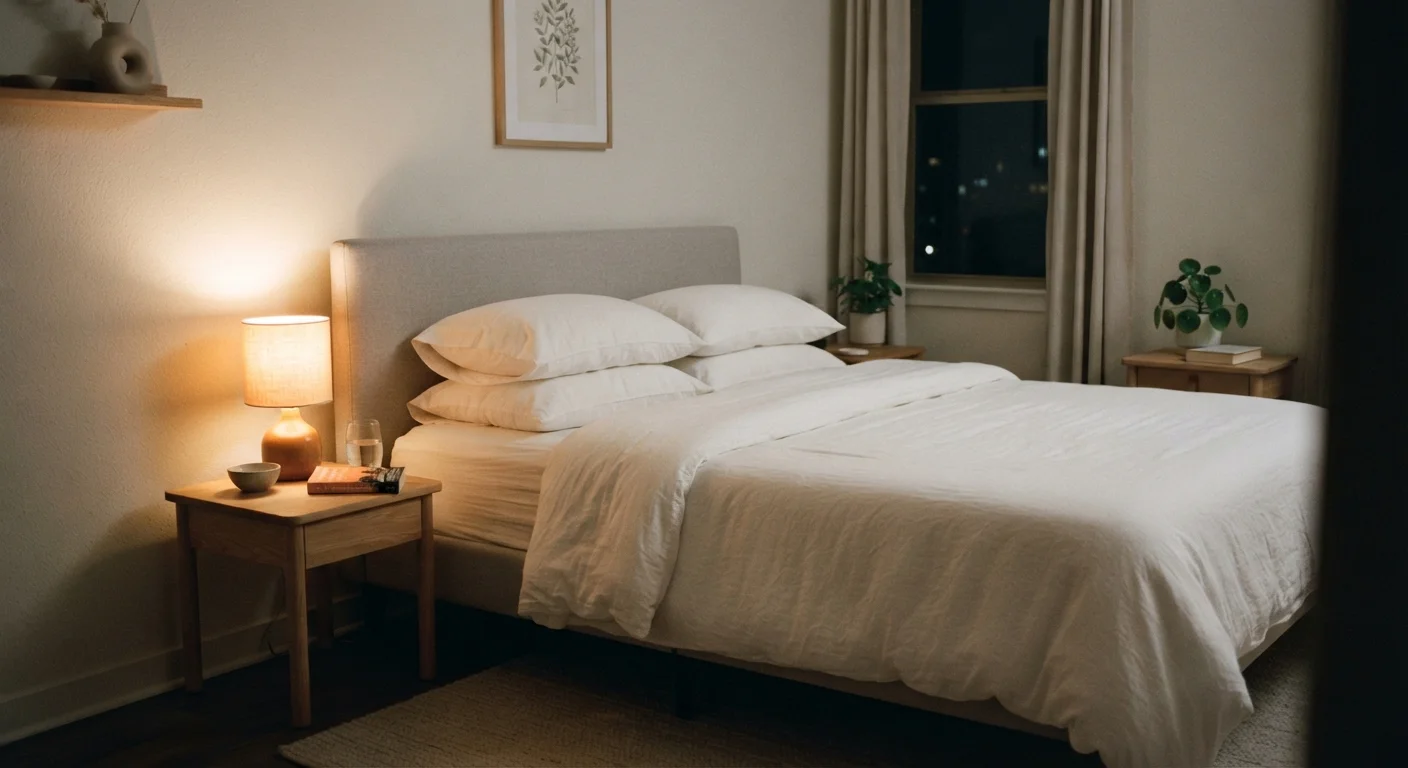
- Keeping the bedroom cool, dark, and quiet removes common physiological barriers to deep sleep.
- Sleep problems that persist beyond a few weeks warrant evaluation by a healthcare professional.
What the research consistently points to
Sleep science has grown considerably over the past two decades, and while individual variation is real, a core set of behavioral and environmental factors keeps appearing across well-designed studies. These are not wellness trends; they are patterns documented in clinical sleep research and reflected in the guidance published by bodies such as the American Academy of Sleep Medicine.
The practices below draw on that body of evidence. They are general health information and not a substitute for medical evaluation. If sleep difficulties are persistent, disruptive, or accompanied by symptoms such as loud snoring, gasping, or excessive daytime sleepiness, a qualified healthcare provider can assess whether an underlying condition is present. For context on what sleep hygiene actually means as a clinical term, see the fundamentals behind the buzzword.
Core habits that support sleep onset and continuity
The following practices address the behavioral, environmental, and physiological factors that research links most consistently to sleep onset, total sleep time, and sleep continuity. None of them require expensive equipment or dramatic lifestyle changes.
Anchor your schedule to a fixed wake time every day
The circadian rhythm is a biological clock driven largely by consistent wake signals. A variable wake time, especially sleeping in on weekends, weakens that rhythm and makes falling asleep at a target hour harder on subsequent nights. Regularity in wake time is more tractable than trying to control sleep onset directly.
Stop caffeine intake at least six hours before your intended sleep time
Caffeine blocks adenosine receptors, reducing the sleepiness signal that builds across the day. Its half-life in the body averages five to six hours, meaning a 3 p.m. coffee still has a significant pharmacological effect at 9 p.m. for most adults.
Keep the sleep environment cool, dark, and free of disruptive noise
Core body temperature drops during sleep initiation, so a cooler room (roughly 65 to 68 degrees Fahrenheit for most adults) supports that process. Light and intermittent noise are two of the most common causes of fragmented sleep, even when they do not fully wake the sleeper.
Reserve the bed for sleep only
Stimulus control therapy, a component of cognitive behavioral therapy for insomnia (CBT-I), works by rebuilding the mental association between bed and sleepiness. Using the bed for work, scrolling, or watching video weakens that association over time, making it harder to feel sleepy when lying down.
Begin winding down light and screen brightness at least 60 minutes before bed
Melatonin secretion, which signals darkness and promotes sleep readiness, is suppressed by short-wavelength light. Dimming overhead lights and reducing screen brightness in the final hour before bed allows melatonin to rise on a schedule closer to the body's natural rhythm.
Light after dark is a separate factor worth attention. Short-wavelength (blue-enriched) artificial light suppresses melatonin production and shifts the body's internal clock later. The documented effects of evening light on sleep onset make dimming overhead lights and reducing screen brightness a practical first step. Physical activity also matters: regular exercise is associated with better sleep architecture, though vigorous workouts close to bedtime can delay sleep onset in some people. Building consistent movement habits throughout the day supports recovery overnight.
Connecting sleep to the rest of daily health
Sleep does not operate in isolation. The quality of overnight rest influences attention, emotional regulation, and decision-making the following day, a connection explored in what the sleep-mental clarity link actually looks like. There is also documented evidence linking chronic short sleep to reduced immune resilience; research on sleep and immune function details those mechanisms.
Morning behavior feeds back into the sleep cycle as well. A consistent wake time anchors the circadian rhythm regardless of what time sleep actually began, which is why a structured morning routine reinforces the same biological rhythm that evening habits are trying to protect. For a closer look at pre-sleep behavioral patterns specifically, what research says about evening routines covers those findings in detail.
This article is for general informational purposes only and is not medical advice. Consult a qualified healthcare professional for guidance specific to your health situation.