

Key Takeaways
- Romance scammers typically move conversation off official platforms quickly to avoid detection.
- A profile that seems unusually perfect or avoids video calls is a consistent warning sign.
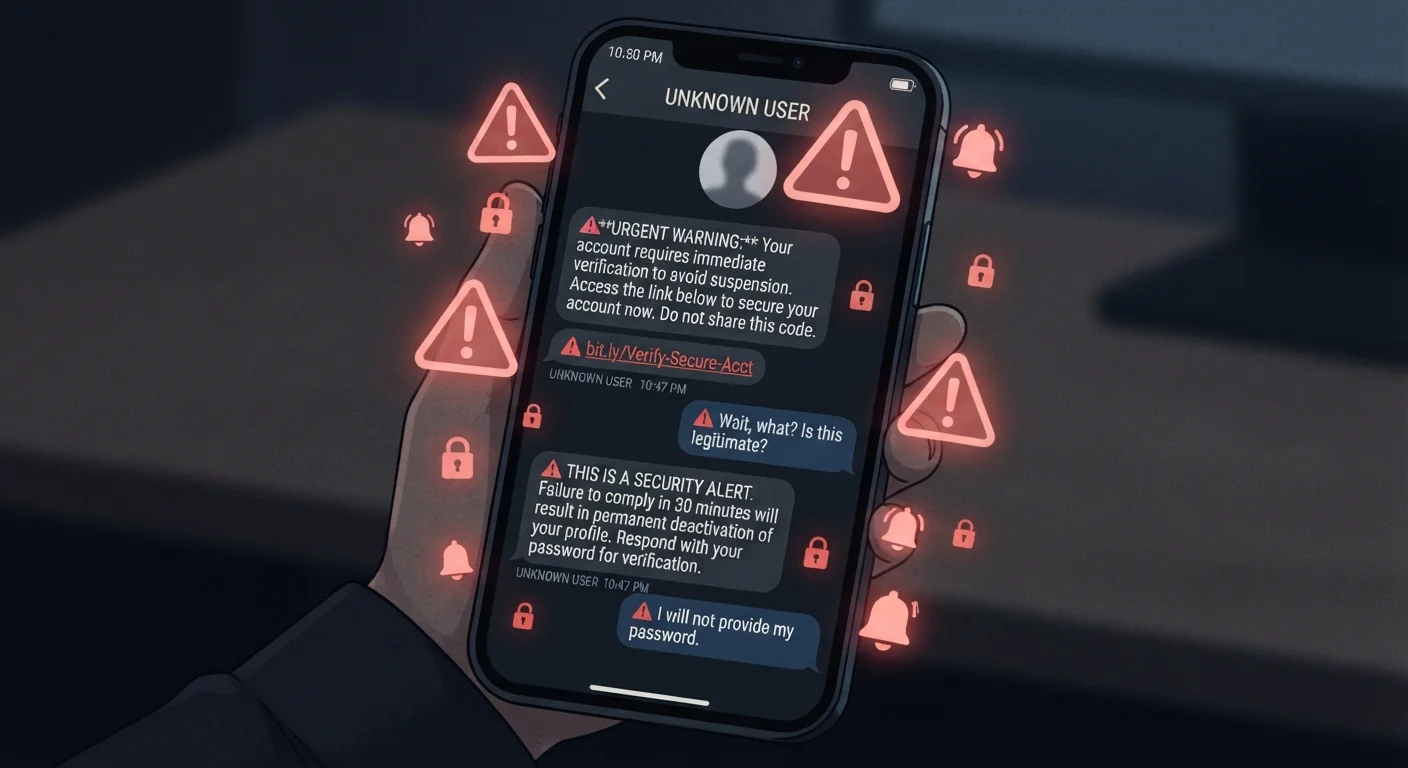
- Any request for money, gift cards, or wire transfers from an online contact you have never met in person is a scam signal.
- Urgency and secrecy are common pressure tools used to prevent victims from thinking critically.
- Reporting to the FTC and the platform helps protect others from the same scammer.
What you will need
Why romance scams are hard to spot
Romance scams work because they exploit something real: the desire for connection. A scammer does not open with a request for money. The manipulation begins with attention, conversation, and the gradual construction of trust over days or weeks. By the time a financial request appears, the target has often formed a strong emotional attachment to someone who does not exist.
The Federal Trade Commission reported that consumers lost more than $1.1 billion to romance scams in 2023, making it one of the costliest fraud categories in the country. The median individual loss was around $2,000, but losses in the tens of thousands of dollars are not uncommon.
The patterns scammers follow are consistent enough that learning them is a practical form of protection. Understanding how urgency tactics work also applies directly here, since romance scammers rely on emotional pressure to override caution.
Video calls reveal more than photos
Asking for a live video call early in a conversation is one of the fastest ways to test authenticity. Scammers typically refuse, claim technical problems, or use pre-recorded footage. A genuine person will usually accept a spontaneous call without needing to schedule it days in advance.
Behavioral warning signs to watch for
Before following the steps below, it helps to understand the behaviors that appear most frequently in romance scam reports.
- The person claims to be working abroad, deployed in the military, or on an offshore oil rig, which explains why they cannot meet in person.
- Conversation escalates to declarations of love or deep connection within a very short time.
- The person pushes to move the conversation from a dating app to a private messaging platform like WhatsApp or Telegram quickly.
- Profile photos look professionally shot or appear on multiple accounts with different names when searched.
- The person avoids or repeatedly cancels video calls with specific excuses.
- A financial crisis suddenly appears: a medical emergency, a stuck shipment, or a business deal that needs a temporary loan.
Scammers also frequently use secrecy as a tool, discouraging the target from telling friends or family about the relationship. Isolation makes it harder to get an outside perspective. Older adults are disproportionately targeted, though romance scams affect people across all age groups.
Steps to verify and protect yourself
If any of the warning signs above are present, the following steps can help you assess the situation and reduce risk.
Run a reverse image search on the profile photo
Save or screenshot the profile photo your contact uses. Upload it to Google Images or TinEye and search for matches. If the image appears connected to a different name, a stock photo library, or a public figure's account, the profile is not authentic. Many scammers use photos taken from social media accounts of real people who have no connection to the scam.
Request a live, unscheduled video call
Ask for a spontaneous video call without giving the other person time to prepare. State plainly that you prefer to talk live before the relationship goes further. A genuine person will generally find this reasonable. A scammer will typically decline, claim camera problems, or agree and then cancel repeatedly. Pre-recorded video responses are also possible, so pay attention to whether the person responds to things you say in real time.
Search the person's name and details independently
Copy the name, claimed employer, and any other identifying details into a standard web search. Look for a verifiable professional or social media presence that matches what the person has told you. If someone claims to be a doctor, engineer, or military officer at a specific institution, that institution will typically have a directory or public record. Absence of any verifiable footprint is a significant indicator of a fabricated identity.
Talk to someone you trust before sending any money
If a financial request has appeared, pause and tell a trusted friend, family member, or financial advisor what is happening before taking any action. Describe the relationship, how you met, and what is being asked of you. Outside perspective is often enough to identify what feels normal within the conversation as unusual from the outside. Scammers actively discourage this step, which is itself a warning sign.
Report the account and document everything
Use the platform's built-in reporting tool to flag the account. Take screenshots of the conversation, the profile, and any financial requests before doing so, since the account may disappear after a report is filed. Submit a report to the FTC at ReportFraud.ftc.gov. If money was transferred, contact your financial institution immediately. You can also report to the FBI's Internet Crime Complaint Center (IC3) at ic3.gov for wire fraud involving significant amounts.
Financial losses may not be recoverable
Wire transfers, cryptocurrency payments, and gift card transactions are difficult or impossible to reverse once completed. Before sending any money to someone you have not met in person, contact your bank and a trusted person in your life. If you have already sent money, report to the FTC at ReportFraud.ftc.gov and call your financial institution immediately.
If you have shared personal account details with a suspicious contact, consider notifying your financial institution and reviewing your account activity. For broader scam patterns, the FTC's guidance at phishing, smishing, and vishing tactics covers how scammers use other channels to gather information that can make their approach seem more credible.
Reverse image search (Google Images or TinEye)
Check whether a contact's profile photo appears elsewhere online under a different name.
FTC ReportFraud.ftc.gov
Submit a report to the Federal Trade Commission if you believe you have encountered a scammer.
Platform reporting tool
Flag the account directly to the app or site so it can be reviewed and removed.