

Key Takeaways
- Modern lithium-ion batteries do not need to reach 0% before recharging.
- Overnight charging is largely safe on current smartphones with proper charge management circuits.
- Charging to 100% regularly can cause slightly more wear than stopping around 80%.
- Off-brand chargers are not automatically dangerous, but certification matters.
- Heat is a bigger threat to battery longevity than most charging habits.
Why phone charging myths stick around
Charging advice that made sense for older nickel-cadmium batteries, which were common in early mobile phones, spread widely before lithium-ion became standard. That older chemistry had a real "memory effect" that required full discharge cycles. Lithium-ion batteries work differently, but the advice never fully disappeared. It circulated in tech forums, got passed along at work, and became habit. The result is a set of persistent beliefs that do not match how your phone actually works.
The myths below are among the most durable. Each one has a grain of history behind it, which is part of why they persist, but the practical conclusions they lead to are either wrong or overstated for current devices.
The myths and what the evidence shows
For a deeper look at how lithium-ion degradation actually works, see the guide to smartphone battery health, which covers what the battery health percentage in your settings really means.
Myth
You should drain your phone to 0% before charging it, or the battery will lose capacity.
Fact
Lithium-ion batteries do not have a memory effect. Partial charges are fine and full discharges can actually stress the cells.
The memory effect was real in nickel-cadmium and nickel-metal hydride batteries. Lithium-ion chemistry, which has been standard in smartphones for well over a decade, does not share this property. Regularly running a lithium-ion battery to 0% forces it through what engineers call a deep discharge, which adds stress rather than preventing it. Topping up from 40% or 50% is perfectly normal for this battery type.
Myth
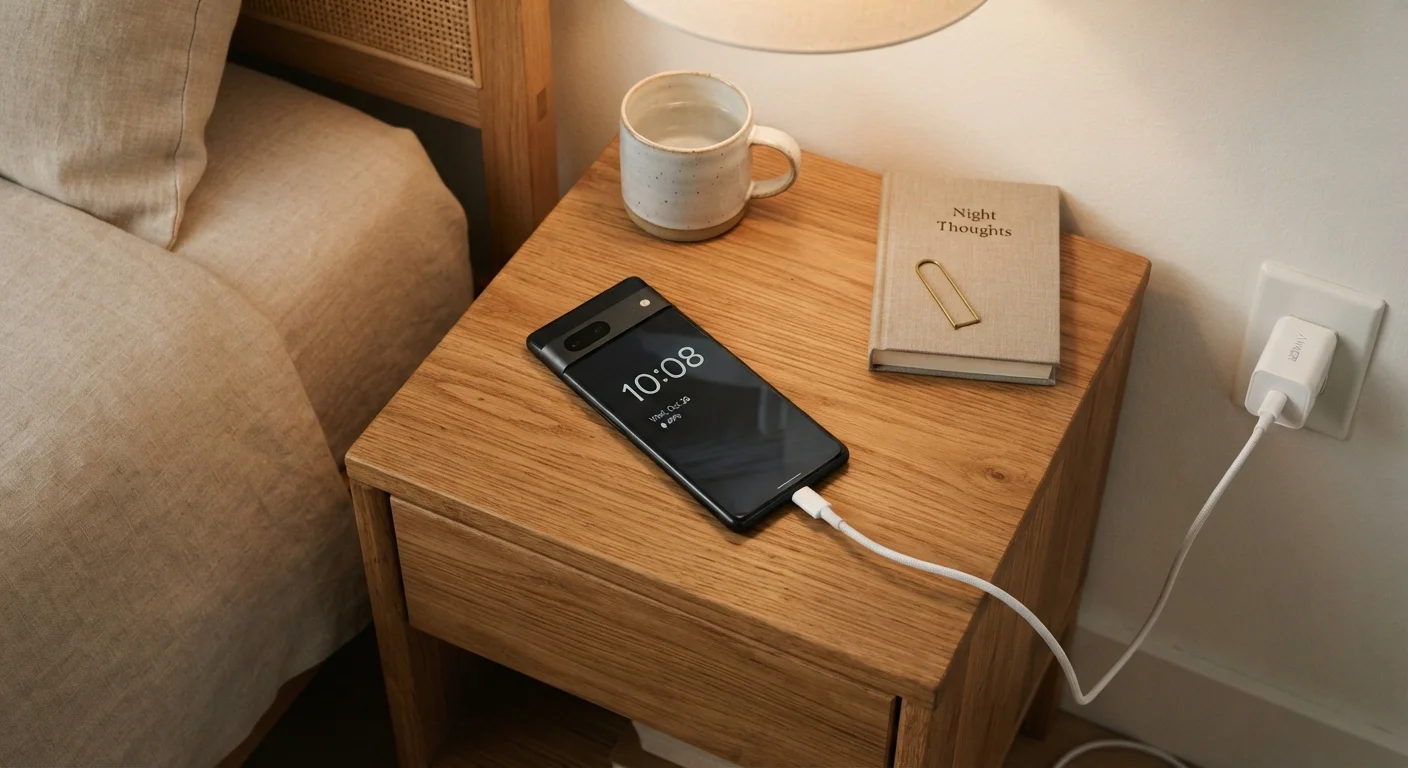
Leaving your phone plugged in overnight will overcharge the battery and damage it.
Fact
Current smartphones stop actively charging once they reach 100%. The phone's charging management circuit handles this automatically.
Smartphones have had overcharge protection built in for years. Once the battery hits full capacity, the circuit stops the charge current and the phone runs directly from the power adapter. Some manufacturers go further: Apple's Optimized Battery Charging and similar features on Android phones learn your schedule and hold the charge at around 80% until just before your typical wake-up time, reducing the hours spent at full charge. Overnight charging is not risk-free in the sense that a faulty cable or charger can cause problems, but the overcharge concern specifically is addressed by the device hardware.
Myth
Charging to 100% every time is the right way to maintain a healthy battery.
Fact
Lithium-ion cells experience slightly more chemical stress at the top end of their charge range. Staying between 20% and 80% can slow long-term wear.
Battery researchers describe this in terms of state of charge stress. The chemical reactions inside a lithium-ion cell are under more strain when the cell is held at a very high voltage, which corresponds to a high charge percentage. In practice, the difference in daily use is modest, and most people do not need to manage their charge window obsessively. However, if your phone has a setting to cap charging at 80% or 85%, using it is a straightforward way to reduce wear over the life of the device without any real inconvenience.
Myth
Using your phone while it charges damages the battery faster.
Fact
Moderate use during charging does not meaningfully harm the battery, though heavy use that generates heat is worth avoiding.
Scrolling, messaging, or streaming while plugged in is not a problem. What matters is temperature: if heavy gaming or video processing causes the phone to run hot while it is also charging, that heat adds stress to the battery. The activity itself is not the issue; it is the thermal load it creates. Light to moderate use during a charge session is not a concern for battery health.
Myth
Only the charger that came in the box is safe to use.
Fact
Certified third-party chargers that meet the relevant electrical safety standards are safe. Uncertified, very low-cost chargers carry real risks.
The meaningful distinction is not brand-name versus third-party; it is certified versus uncertified. Chargers that carry UL, ETL, or equivalent certifications have been tested to safety standards that cover electrical isolation, voltage regulation, and heat performance. Very cheap, uncertified chargers may lack adequate protections, which can cause overheating or, in rare cases, electrical faults. Checking for a recognized safety mark is a practical way to evaluate a replacement charger rather than assuming any non-original charger is dangerous or that any branded charger is automatically safe.
The one factor that matters most
Heat does more damage to a lithium-ion battery than almost any charging habit. Leaving a phone in a hot car, using it for GPS navigation while it charges in direct sunlight, or running processor-intensive apps during a fast-charge session all raise the battery's temperature significantly. Manufacturers design charging circuits to throttle speed when the battery gets too warm, but repeated heat exposure still accelerates chemical aging inside the cells.
If you want to extend battery longevity, keeping the phone cool during charging is more effective than obsessing over the exact percentage at which you plug in or unplug. A moderate charge level combined with a cool environment is the practical takeaway from the research on lithium-ion degradation.
This article provides general information about consumer electronics and is not a substitute for guidance from your device manufacturer. Battery behavior can vary by device model and software version; check your phone's manual or support page for model-specific recommendations.