

Key Takeaways
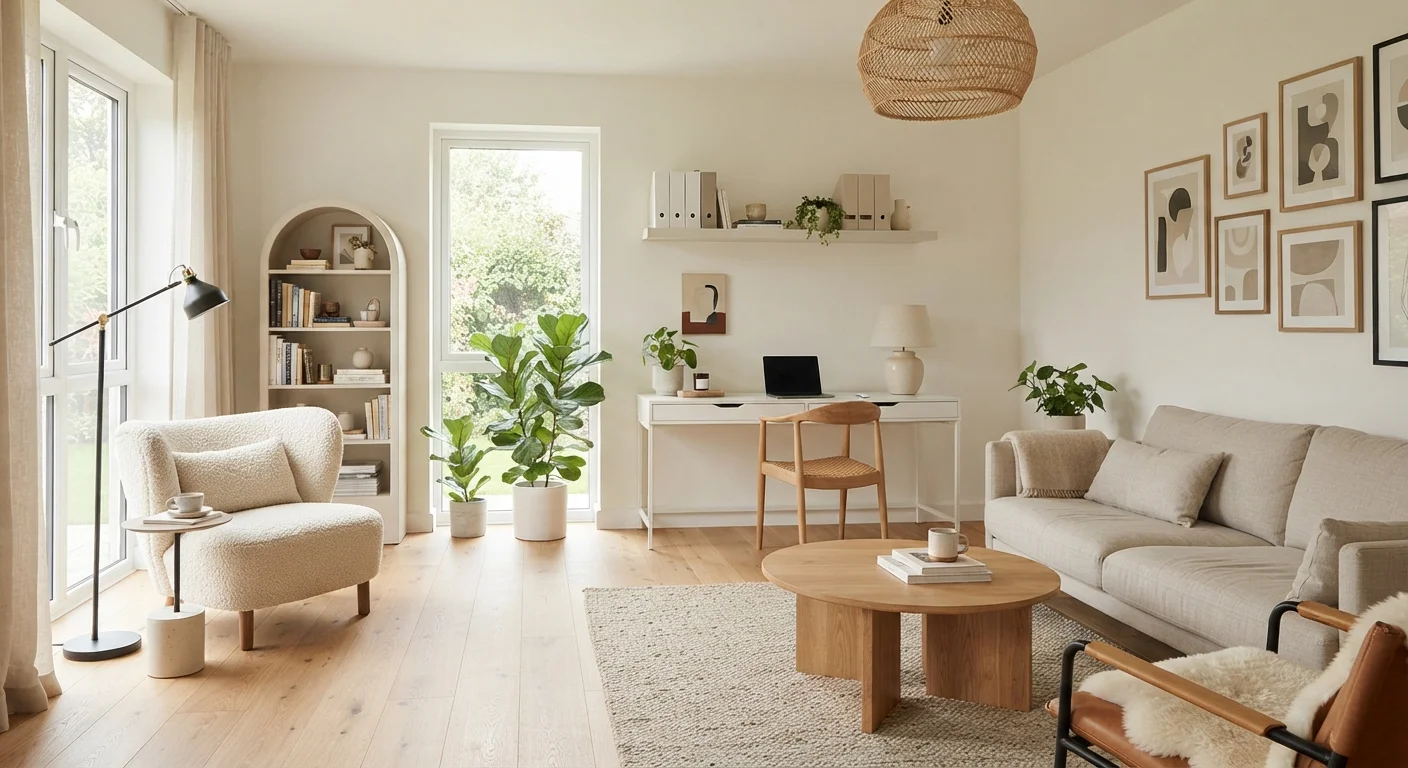
- A zone is defined by activity, not by room: a living room can hold several zones.
- Zones reduce decision fatigue by giving every item a predetermined place.
- The system works best when items used together are stored together within a zone.
- Households with children or multiple adults benefit from naming zones clearly so everyone follows the same system.
- Starting with one or two zones is more effective than trying to rezone an entire home at once.
Household zoning
Household zoning is the practice of assigning a specific purpose to each area of your home, then keeping only the items that belong to that purpose in that space. Rather than storing things wherever they fit, you decide in advance what each zone is for. This gives every object a logical home and makes tidying a matter of returning things to their zone rather than deciding where they go.
Zoning draws on principles from workspace ergonomics and lean organization methods, which minimize wasted motion by placing tools and materials at the point of use.
What a zone actually is
A zone is not a room. It is an area defined by a single type of activity. Your kitchen might contain a cooking zone near the stove, a meal-prep zone at the counter, and a coffee zone near the machine. Each holds only what that activity needs. A spatula lives in the cooking zone; it does not drift to the coffee zone because there was a free drawer nearby.
This distinction matters because most organization problems are not caused by too much stuff. They are caused by stuff that has no consistent home. When an object can be anywhere, it ends up everywhere, and tidying becomes a series of small decisions rather than a simple sort.
Zoning eliminates those decisions in advance. Once a zone is defined and stocked, returning items is automatic rather than deliberate.
Why zones reduce friction
Every time you search for something or put something away in a random spot, you spend a small amount of mental energy. Over a week, those small costs add up. Researchers who study decision fatigue have found that repeated low-stakes choices drain the same cognitive resources as larger decisions, which is one reason a cluttered or poorly organized home can feel exhausting even when nothing in it is individually difficult to handle.
Zones convert those repeated choices into habits. Once your household knows that all charging cables live in the entry zone basket and all craft supplies live in the dining table cabinet, the act of tidying shrinks to returning things to their zone. That is a single rule, not dozens of individual judgments.
Start with one high-traffic zone
Rather than rezoning an entire home at once, pick the one area that causes the most daily friction, often an entry, a kitchen counter, or a desk, and establish that zone fully first. A working example in one area is more motivating and instructive than a partial attempt across many areas.
For households with children, clear zone labels (even picture-based ones for younger kids) let everyone participate in maintaining order without adult supervision at every step. The article on organizing a home with kids covers this in more detail.
How to set up zones in practice
Start by listing the activities that happen in your home: cooking, eating, working, reading, exercising, doing laundry, storing seasonal items. Each activity is a candidate zone. Do not worry about physical layout yet.
Next, walk through your home and note where each activity actually happens, not where you think it should happen. If your household pays bills at the kitchen table, the bill-paying zone belongs at the kitchen table, not in a home office that nobody uses for that purpose. Zones work when they match real behavior.
Then gather everything that belongs to each activity and store it as close to where the activity happens as practical. Items used together should be stored together. A reading zone should hold books, reading glasses, a notebook if you annotate, and good lighting. It should not hold TV remotes, craft supplies, or anything unrelated to reading.
Finally, test the system for two weeks. If items keep migrating out of a zone, that is a signal either that the zone is in the wrong location or that it is competing with a different habit. Adjust the zone's position before concluding that the system does not work.
For a full walkthrough of clearing out before you zone, see decluttering your home room by room.
Keeping zones intact over time
Zones degrade when items are returned to the nearest available space rather than to their designated area. This usually happens during busy periods when tidying feels like a low priority. A short daily reset, five to ten minutes of returning items to their zones before the end of the day, prevents that gradual drift.
If a zone consistently collects items that do not belong there, check whether a new activity has emerged that needs its own zone. Homes are not static; the activities that happen in them change, and the zone structure should change with them. Maintaining an organized home over the long term covers the habit side of this in depth.
Shared homes require shared understanding of the zones. If two adults use the same space with different mental maps of where things go, the zones break down quickly. Setting aside time to walk through the system together, and agreeing on any adjustments, keeps the shared version working. See organizing a home with multiple adults for approaches that account for different habits.