

Key Takeaways
- Local public holidays can shut down museums, banks, restaurants, and transit with little warning to visitors.
- Time zone offsets affect booking confirmations, reservation windows, and check-in cutoffs more than most travelers expect.
- Many countries observe holidays on observed dates that shift from year to year, so static research goes stale.
- Verifying operating hours directly with venues, rather than relying on search results, prevents costly surprises.
- Building even one buffer day into an itinerary allows recovery when closures or delays happen.
Why these details get skipped
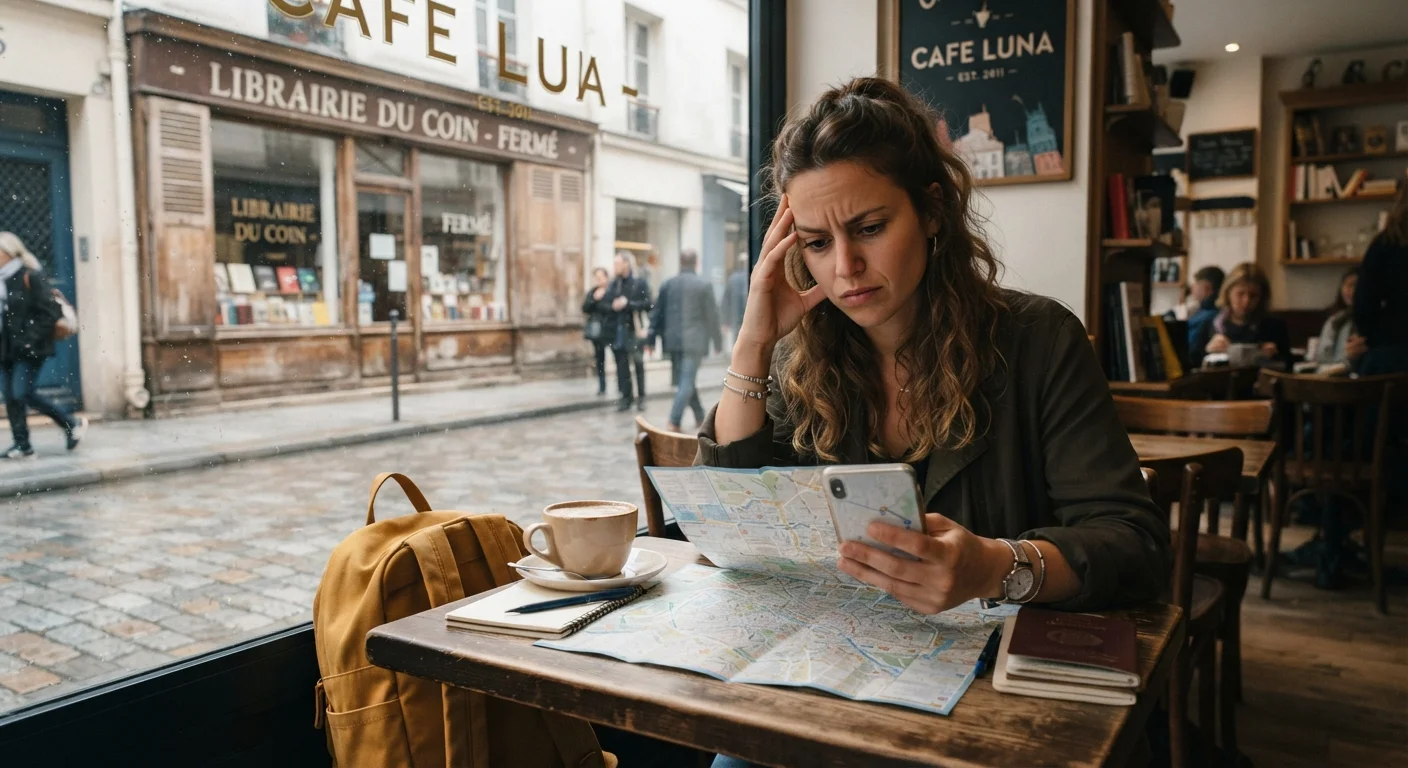
Most travelers put real effort into flights, hotels, and major attractions. The operational layer beneath those bookings, including whether a museum is open, whether a bank holiday shuts down transit, or whether a reservation time converts correctly across time zones, gets treated as detail work to handle later. Later often means never.
The gap is understandable. Search engines surface opening hours that may not reflect holiday closures, and itinerary tools rarely flag national observances in other countries. A well-structured day-by-day plan can still fall apart if the underlying assumptions about hours and availability are wrong. See how to build an itinerary that holds up for ways to account for these variables from the start.
Common mistakes and how to avoid them
The errors below follow a pattern: they are easy to make, easy to prevent, and rarely caught until the traveler is already on the ground.
Assuming search engine hours are accurate during holidays.
Why it happens: Google and map platforms pull hours from business profiles, which owners do not always update for public holidays or seasonal closures. Travelers trust the displayed hours because they look authoritative.
Overlooking how local public holidays cascade through services.
Why it happens: Travelers research the one attraction they care about but do not think through the surrounding infrastructure: banks, pharmacies, grocery stores, and local transit can all run on reduced schedules or close entirely on national holidays.
Booking reservation times without converting for the destination's time zone offset.
Why it happens: Confirmation emails often display times in the booker's local time zone, and travelers read them without checking whether the platform converted correctly. This is common with restaurant reservations and guided tour slots booked from US-based platforms.
Using holiday research from a prior year without checking whether dates shift.
Why it happens: Many holidays are tied to lunar calendars, observed Mondays, or official government proclamations, so they fall on different dates each year. A traveler who researched a destination before may rely on remembered dates.
Not accounting for check-in and check-out cutoffs across time zones when booking accommodation.
Why it happens: A hotel's check-in window is in local time, but travelers mentally anchor to their home time zone when reading confirmation details. An early arrival that makes sense at home may land hours before a property opens.
Putting it into practice
A few concrete habits address most of these problems. First, pull the official government or tourism board holiday calendar for your destination after you book, not before you finalize activities. Many countries post these calendars a year in advance. Second, confirm operating hours directly with venues by email or phone in the week before you travel, since online listings often lag behind seasonal changes.
For time zone math, use a tool that displays the current offset rather than a static UTC label, because daylight saving transitions in the destination country may not match the US schedule. The full guide to time zone offsets covers the mechanics in detail, including how to handle bookings that straddle a transition date.
Finally, building flexibility into your itinerary before you leave means a closed attraction or an unexpected public holiday becomes an inconvenience rather than a day lost. One free afternoon held in reserve costs nothing and absorbs a lot.
Verify entry and visa rules with official sources
Public holidays can affect embassy and consulate operating hours, which matters if you need a visa letter, document notarization, or emergency consular help during your trip. Always check the official embassy website for your destination country well before departure. Do not rely on third-party travel sites for consular hours or emergency contact details.