

Key Takeaways
- Check tire pressure and tread depth before every long drive, not just when a warning light appears.
- Fluids, belts, and hoses are the most common sources of preventable breakdowns.
- All exterior lights should be confirmed working before you leave, including brake lights.
- An emergency kit in the trunk is not a substitute for mechanical readiness, but it matters if something goes wrong.
- If a mechanic recently flagged a concern, address it before a long trip rather than after.
Summary
18 items · 20 to 40 minutes
Why this walkthrough matters
Most roadside breakdowns trace back to something that was visible or measurable before the trip started. A tire losing pressure over days, a coolant level creeping low, a brake light that burned out last week. This walkthrough covers the checks that catch those problems while you are still in the driveway.
The list is organized into four groups: tires, fluids and engine, lights and visibility, and emergency readiness. Work through them in order and you will have covered the systems most likely to cause trouble on a long drive. For a deeper look at maintenance habits that apply year-round, see the car maintenance hub.
Tires
Fluids and engine
Lights and visibility
Emergency readiness
What to bring for the inspection
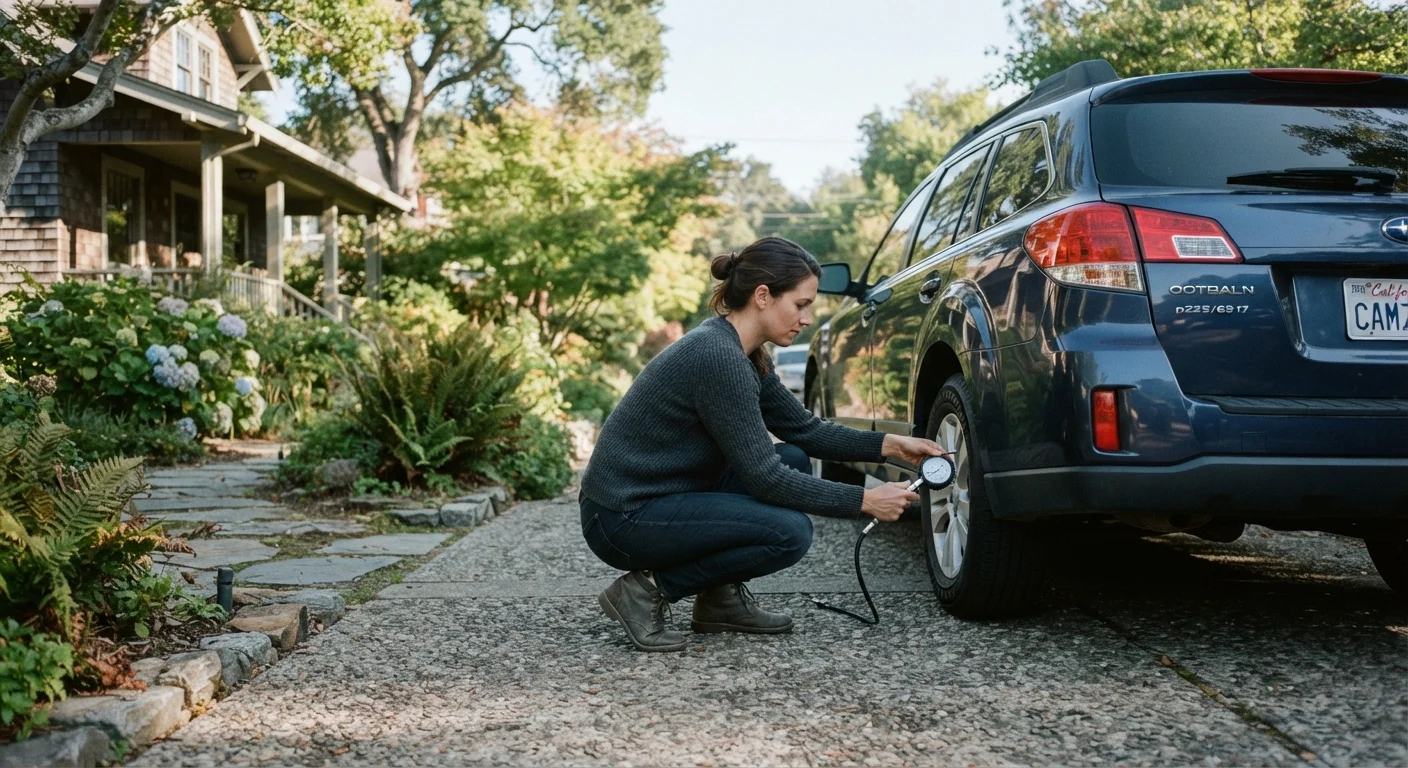
You do not need special tools for most of these checks. A tire pressure gauge is the one item worth having on hand before you start. Many gas stations have air pumps with built-in gauges, but owning one means you can check pressure cold, at home, which gives a more accurate reading than after driving.
Tire pressure gauge
Measures tire pressure in PSI so you can compare against the vehicle's door-jamb placard.
Quarter (coin)
Used to check tread depth across each tire groove without a dedicated tread-depth tool.
Flashlight
Illuminates engine bay components, tire sidewalls, and undercarriage areas that are hard to see in low light.
Clean rag or paper towels
Needed to wipe the dipstick clean before checking oil level and to handle any fluid caps.
After the walkthrough
If anything on this list turns up a real concern, a squealing belt, a fluid that is dark brown and gritty when it should be amber, or a brake pedal that feels softer than usual, have a qualified mechanic look at it before you leave. Brake warning signs in particular should not be deferred to the return trip.
Once the vehicle checks are done, make sure your emergency kit is stocked. What to keep in your car for roadside emergencies covers the gear that makes a breakdown on the shoulder safer to handle. If you are traveling with children, confirm that car seats are correctly installed before departure. Child passenger safety guidelines walk through installation checks by seat type.
For trips in cold weather, some of these checks become more time-sensitive. Preparing your car for winter driving conditions covers the additional steps that cold temperatures require, particularly for batteries and tires.
Do not delay on brake or tire concerns
Worn tires and low brake fluid are not issues to monitor over a trip. Both directly affect your ability to stop safely. If either check raises a concern, have a qualified mechanic inspect the vehicle before you depart. A breakdown or accident hundreds of miles from home is significantly harder to manage than a delayed departure.