

Key Takeaways
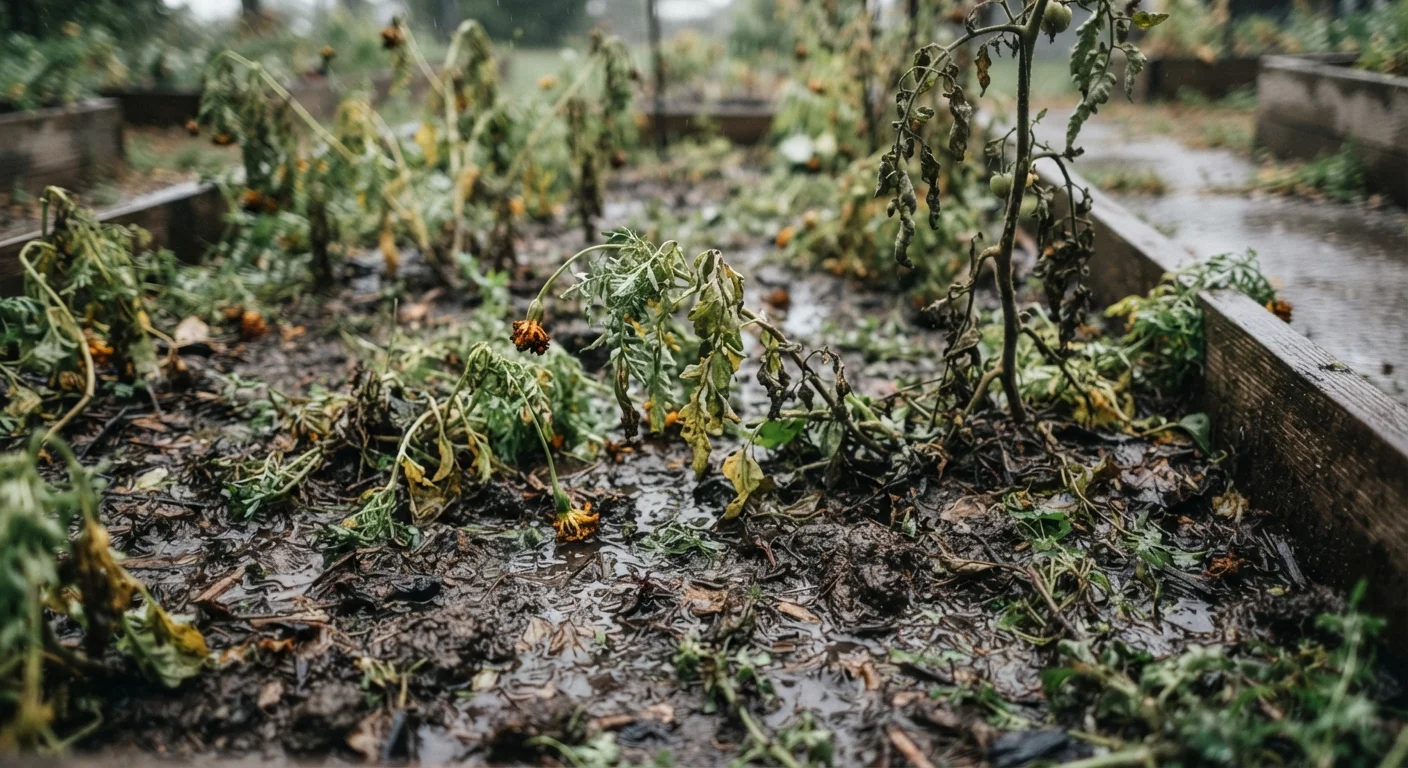
- Overwatering is the most common cause of houseplant and garden plant death.
- Watering at the wrong time of day can encourage fungal disease and reduce effectiveness.
- Shallow, frequent watering produces weak root systems that struggle during dry spells.
- Soil type and container drainage affect how often and how much water plants actually need.
- Checking soil moisture before watering prevents both overwatering and underwatering.
Why watering goes wrong
Water is the one input most gardeners give every plant, every week, sometimes every day. Because it feels like care, it is easy to assume more is better. In practice, watering errors account for a large share of plant decline, and many of those errors are invisible until damage is well underway. Roots rot before leaves yellow. Soil dries unevenly before a plant visibly wilts. By the time something looks wrong, the problem has often been building for weeks.
The mistakes below cover the most common patterns. Each one is fixable once you know what to look for. For a broader look at how to read what your plants are telling you, see signs your plant is struggling.
Watering on a fixed schedule regardless of conditions.
Why it happens: A set routine feels reliable, and many gardening guides suggest watering intervals that work as starting points but not as firm rules.
Watering at midday during hot weather.
Why it happens: Midday is often when gardeners are outside and notice plants looking droopy, which can be a heat response rather than true drought stress.
Giving plants a light sprinkle instead of a deep soak.
Why it happens: Frequent short waterings feel attentive, and the soil surface looks damp, which can seem like enough.
Overwatering by keeping soil consistently wet.
Why it happens: Wilting is associated with drought, so when a plant wilts, the instinct is to add water. Overwatered plants wilt too, because waterlogged roots cannot deliver water to leaves.
Watering the foliage instead of the root zone.
Why it happens: Overhead sprinklers and hose wands are convenient, and wetting the whole plant feels thorough.
Using the same watering approach for every plant.
Why it happens: Treating the garden as one uniform system is simpler, and plant water needs are not always labeled clearly.
How soil and mulch affect your watering routine
No watering habit works the same way in every garden because soil structure changes how water moves and how long it stays available to roots. Sandy soil drains quickly and may need more frequent watering. Dense clay holds moisture longer and becomes waterlogged more easily. Improving your soil's organic content helps it hold water evenly without becoming soggy. Building better garden soil over time explains how to make those improvements season by season.
Mulch is one of the most practical tools for reducing watering frequency. A 2 to 3 inch layer over bare soil slows evaporation, keeps roots cooler in summer heat, and evens out the wet-dry cycle that stresses plants between waterings. Mulching: why a few inches of coverage changes everything covers how to apply it correctly and when to refresh it.
Container plants follow different rules entirely. Pots dry out faster than garden beds, and drainage holes are not optional. Without them, even careful watering creates the same waterlogged conditions as overwatering in the ground. Container gardening covers the drainage and soil mix choices that make a real difference.
Signs of overwatering vs. underwatering
Both problems can cause wilting and yellowing leaves, which makes them easy to confuse. Overwatered plants often have soft, mushy stems at the base and soil that stays wet days after watering. Underwatered plants have dry, pulling-away soil and leaves that feel crisp rather than limp. Check the soil and the stem before adding more water.